AI and Accessibility: Is it Going to be a Boon or Bane?
TL;DR
Roughly 1.3 billion people, about 16% of the world, live with a significant disability, and most of the web still locks them out. This piece walks founders and marketers through how AI already powers accessibility: alt-text generation, auto-captions, speech and facial recognition, even lip-reading. The upside is real reach, better SEO, and lawsuit-proofing. The catch is that AI can also amplify bias, cost too much, and leak private data if you deploy it carelessly.
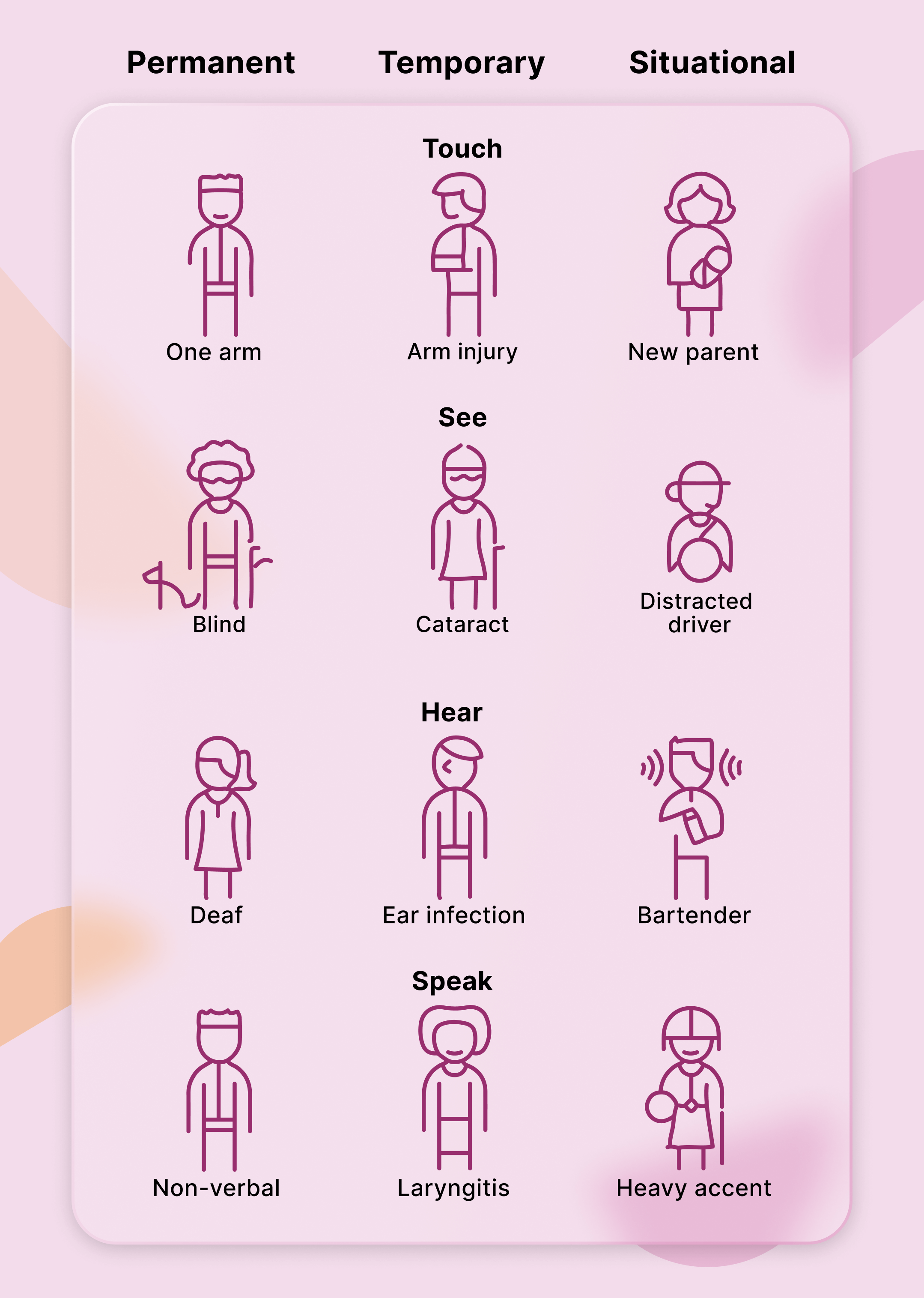
The one statistic that always stands out in this conversation is the number of people with disabilities - An estimated 1.3 billion people, or 16% of the global population. This covers varying types of disability, where people can find it challenging to conduct their lives independently of external help. Accessibility, especially in the digital realm, can help rectify this.
What is Accessibility?
Simply put – It’s the process of creating products, services, and environments that are usable for people with disabilities. It’s about providing access to parts of everyday life that have not been designed well enough, which end up creating barriers for many people across the globe. And as everything is becoming digitized, web and digital accessibility becomes an integral aspect of this move toward inclusion. But companies don’t need to tackle this alone. The W3C Web Accessibility Initiative has created specifications that can help businesses and individuals build born-accessible offerings. The WCAG 2 specifications have been the most in-depth guidelines up to now, with the latest WCAG 3 currently in the draft stage.
What is the role of AI in Accessibility?
Although AI has become a talking point in every conversation since the release of ChatGPT3, automation tools have long existed in the digital ecosystem. They’ve been playing a small yet consequential role in enabling access for millions of people. You might even see this in places like Museums, which were creating methods to appreciate art for people with disabilities. Another example is Google’s suite of accessibility products.
Testing and correction of accessibility features -
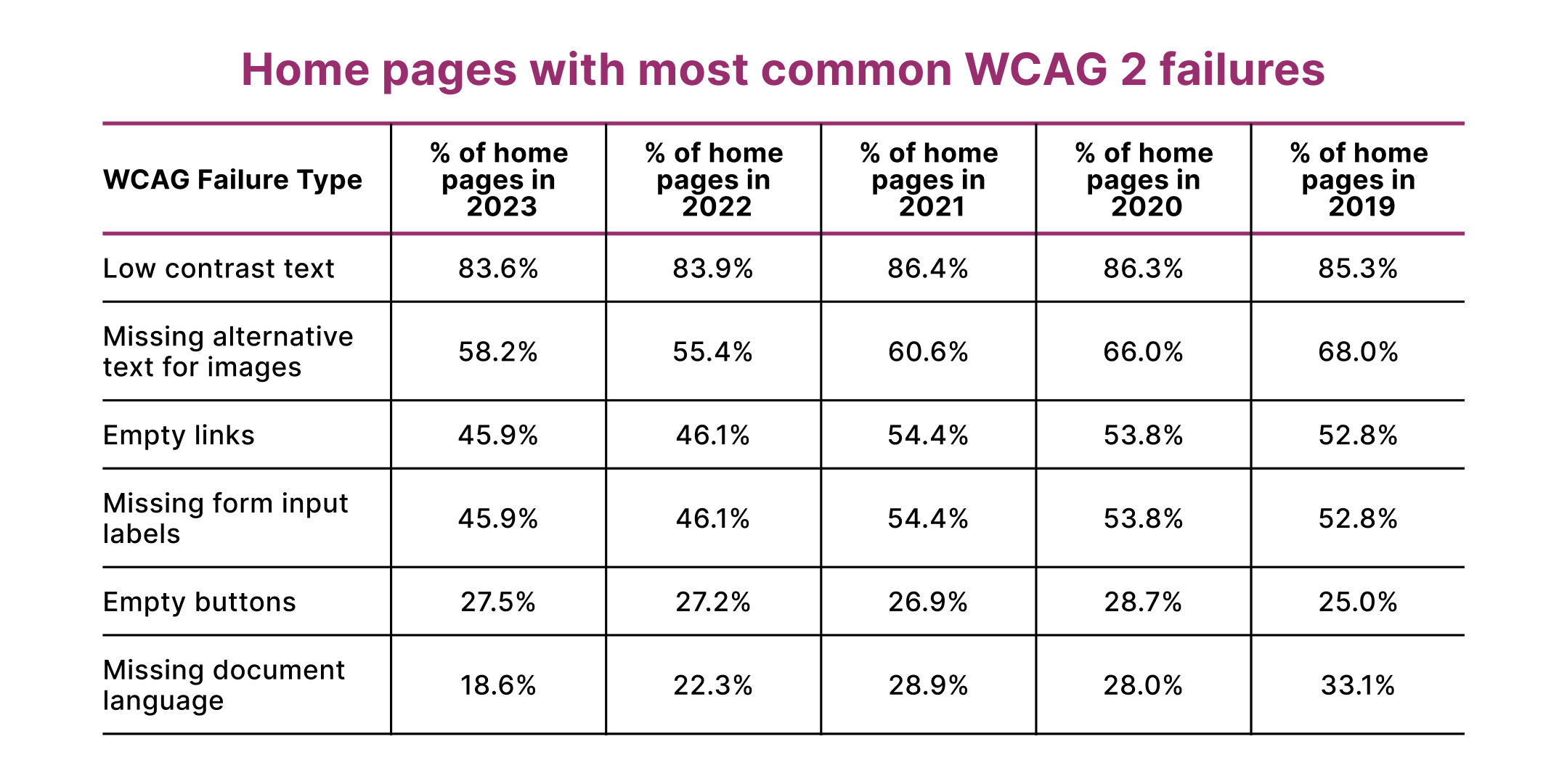
This is an average of 51.4 errors per home page. Companies often aim to be accessible but end up falling short. Conducting gap analysis and regression testing through Machine Learning can help catch errors that you might miss, including lack of alt-text, metadata, closed captions, navigation, etc. Deque found that 57.38% of total accessibility issues were detected using automated tests. Using various accessibility checkers, some baked into existing applications, you can create websites and content that is accessible and inclusive. The accessibility assistant from Microsoft is a great example of assistive tools.
Image recognition – There are various use-cases of image recognition for accessibility. Web-based image recognition is implemented through neural networks and image processing tools, which can identify, assess, and index image data. These tools can break down the images and generate Alternative-Text (Alt-text) for people with vision loss. Automated generators can reduce human intervention and allow websites to create descriptive alt-text that conveys all relevant information, which can have a significant effect on SEO ranking. It can also assist your writer in creating descriptive and efficient alt-text that conveys the correct message to the audience. Beyond that,
You could point your phone out of a car and get a description of the stores and businesses you’re passing.
Speech recognition – We’ve already seen the implementation of speech recognition software such as Siri and Alexa, which can be combined with assistive technologies. Further development and integration with Natural Language Processing (NLP) models can allow the use of generative AI for accessibility. Closed Caption (CC) creation is one of the largest uses of speech recognition and auto-transcription. CC is a form of subtitling that provides contextual information to the speech, which is required for people who are deaf or hard of hearing. Companies are using AI platforms, like IBM, Otter, Rev, to generate this CC with a substantial reduction in human involvement. Real-time CC generation can also help people in this era of remote work and video calls. Text-to-speech – These AI tools can be effective for those with speech impairment, as AI-generated speech can allow participation in everyday life. However, this tool can also be used to generate speech for those with vision loss, especially while browsing text-heavy websites. It permits the consumption of your content, as intended, and has become a default feature on most websites. Access to these tools can ensure that your content reaches all members of society. Integrating these with NLPs can also help summarize scientific and complex information. Graphs, charts, and equations are not easily digestible data and require mediation by experts. Auto-generated and processed information can break down this data and provide Alt-text that is understandable.
Facial recognition – This is especially useful for people with mobility disabilities, as it removes the need for manual data-entry. AI software will eventually be used to understand subtle and minute facial movements to help with aspects of using the web. A shift of the eyes could send a signal to the website to navigate back to the previous webpage, thereby helping with usability and navigation of your website. Emotion-sensing could also be used to provide nuance to actions, however there were ethical concerns around this. Lipreading – AI is already better at lip-reading than humans, although there didn’t seem much reason to believe humans could do that well enough. This facet is being used to develop software that can help people who have difficulties with speaking. Combining facial recognition and lipreading AI tools can automate Closed Caption generation for video content, thereby helping those who are hard of hearing. This form of technology is also being used by the National Health Service (NHS) in the UK, to help patients communicate effectively.
What is the relevance for Marketers and Founders?
You might not have an option either. Policies and regulations are being deployed in different parts of the world, which mandate the creation of born-accessible products and services. The European Accessibility Act is one such directive, which lists the accessibility requirements for various offerings such as web content, computers, smartphones, ATMs, ticketing machines, banking services, e-commerce, etc. Web platforms and digital content are critical in this, with consumers having the right to find redressal in the legal system. This directive aims to bring more people into the workforce and strengthen the competitiveness of their economies.
Marketers must pay attention to ensure they stay updated with the emerging requirements, while creating an ecosystem that is inclusive to all. There are further reasons for founders and marketers to inculcate a culture of accessibility:
- Reach a wider audience – People with disabilities can’t engage with content that is not designed for them, effectively shutting out 1.3 billion people. As Bert Floyd, Team Lead of Assistive Technologies, TD Bank, Canada, says “If you don’t design for accessibility, it’s like saying to every fifth person who walks in your door - ‘I don’t really want your business.’ ”
- SEO – Alt-text, titles, navigation, Closed Captions, sitemaps, metadata, headings, etc. are all aspects that Google checks when trying to index your website. The lack of these can affect your ranking.
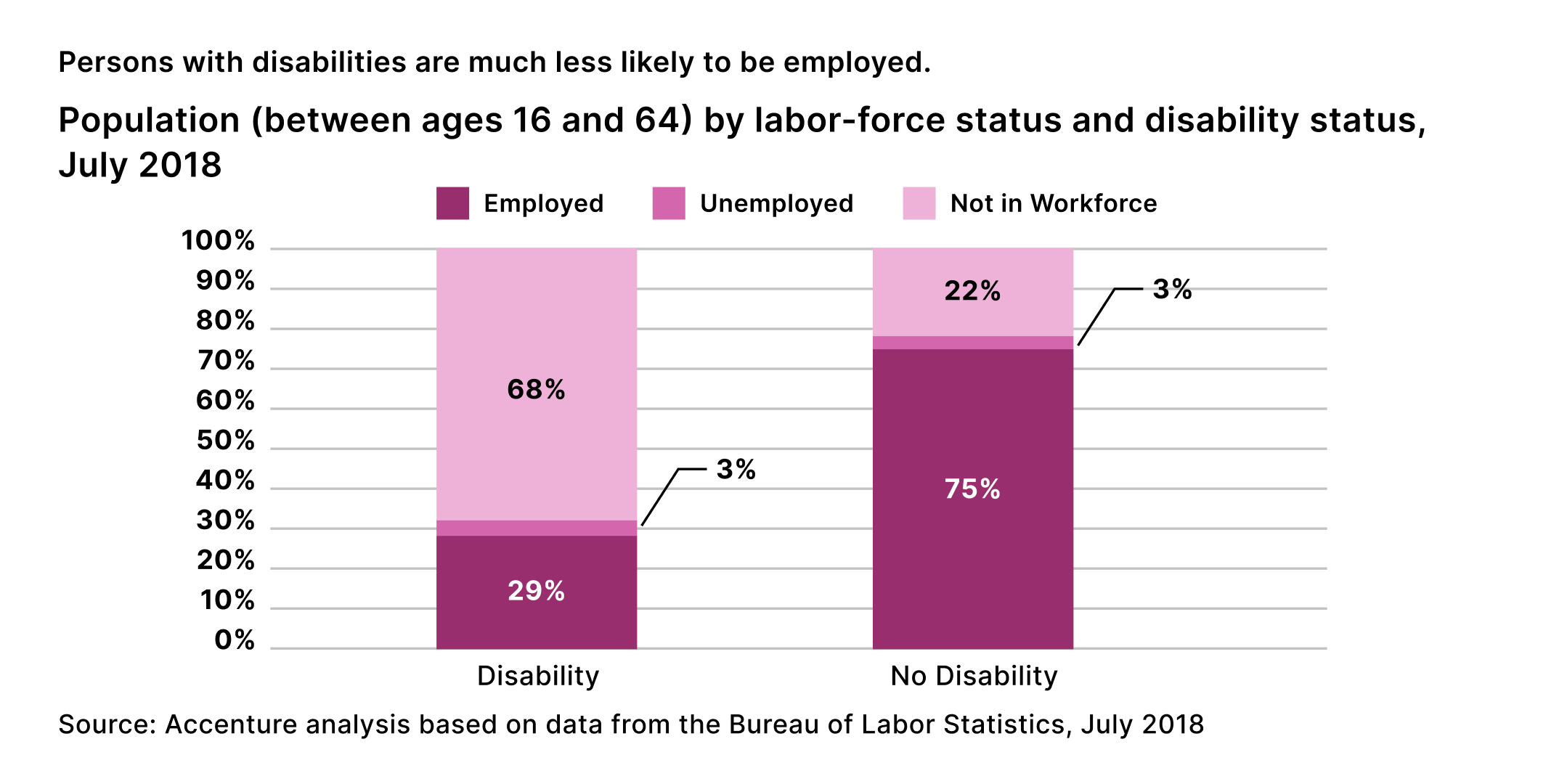
- Increased business impact – The intention of the EAA was to improve the European economy and create more jobs for people with disabilities. The same impact can be felt by your business through the implementation of accessibility features in your systems. According to Accenture, businesses that include employees with disabilities on their teams increased their revenue by up to 28%.
- Compliance – Stay within the boundaries of regulations and laws, ensuring that you are not invariably infringing on the rights of those with disabilities. Over 11,400 Title III lawsuits were filed under the American Disabilities Act (ADA) in 2021, a 320% increase since 2013.
- Impact on UX – The point of accessibility is to improve the functionality of your website and content. It enhances the User Experience (UX) for all and thereby increases the impact of your website. 61.7% of people said that providing the best UX for all users was among their organization’s top three reasons for addressing accessibility.
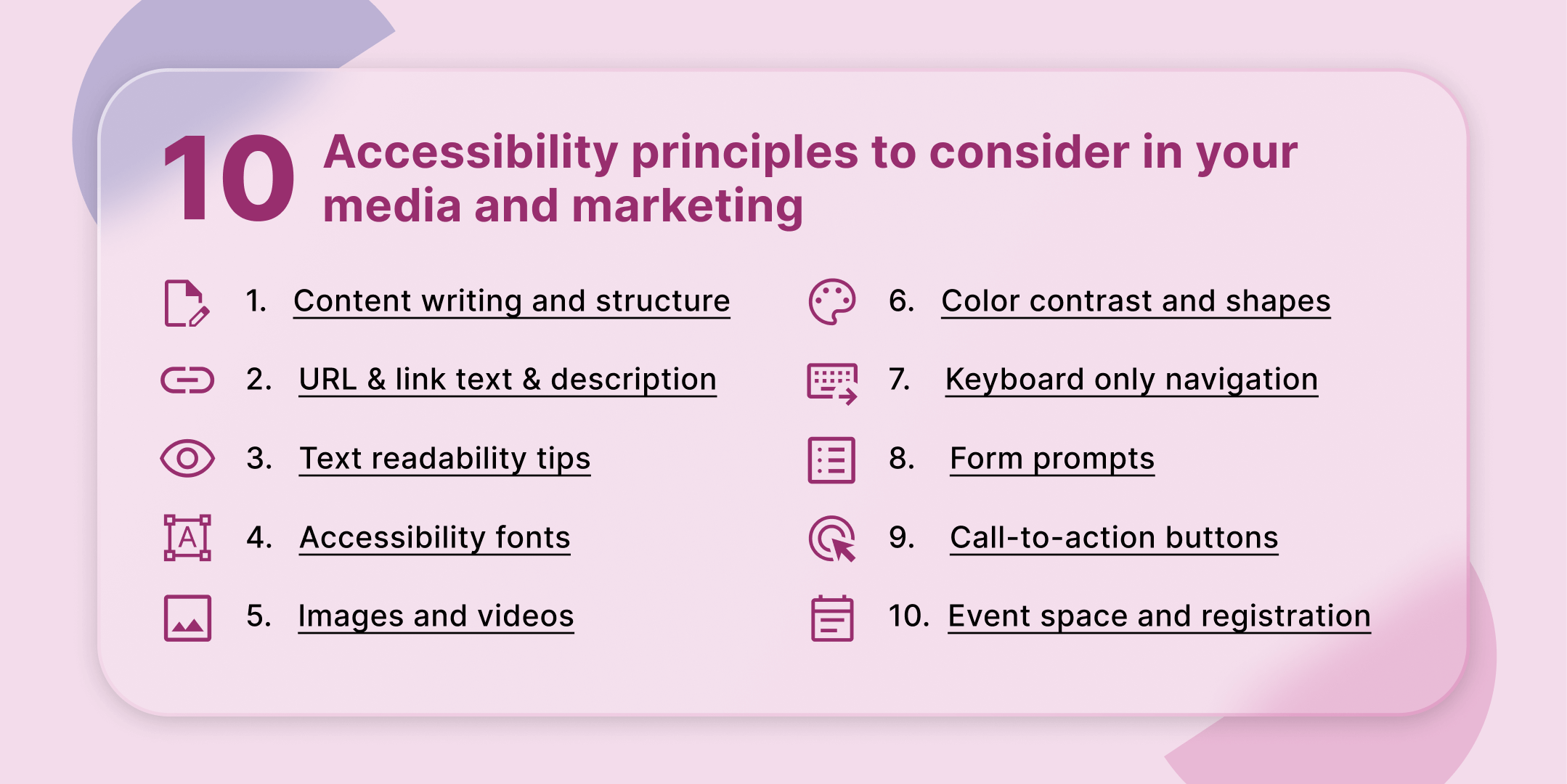
AI has the potential to revolutionize how we think about inclusion and access. It can remove barriers for people with disabilities, allowing them independent living through AI and IoT devices. It can improve access to education, opportunities for technical subjects, reduce barriers to employment, and allow for consistent-quick interactions.
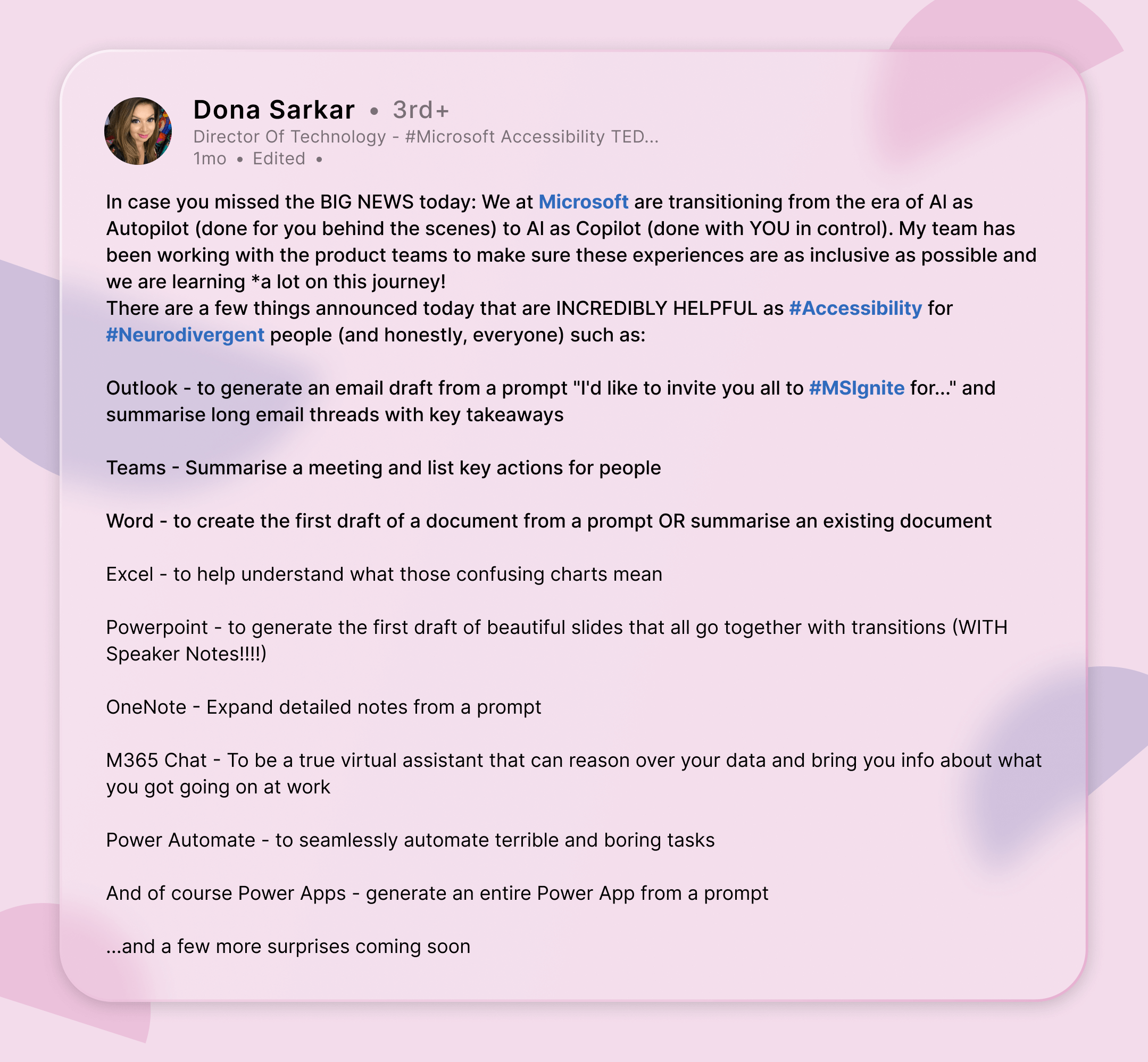
A point to note is that AI can also replicate and amplify existing biases and discriminations, which might end up excluding people with disabilities. This tech can also be expensive and could pose a risk to privacy - factors that can have a negative impact on people who need it. However, over 70% of disabilities are estimated to be invisible, with people hesitant to disclose it to others. This makes it incumbent upon organizations to no longer ignore these needs and ensure that accessibility is incorporated into their ecosystem. Thankfully, AI can make this a seamless process when used correctly. What do you see as the future potential for Accessibility? Write to us.
Frequently Asked Questions
How many people are affected by web accessibility?
The WHO estimates about 1.3 billion people, or 16% of the global population, live with a significant disability. That is roughly one in six potential customers who struggle to use content that was not built with them in mind. As TD Bank's Bert Floyd puts it, ignoring accessibility is like telling every fifth person who walks in your door that you do not want their business.
Can AI actually fix accessibility, or just flag problems?
It does both. Machine-learning checkers run gap analysis and regression tests to catch missing alt-text, captions, metadata, and broken navigation, and Deque found automated testing identified 57.38% of accessibility issues in its dataset. Generative tools then go further by writing descriptive alt-text, producing closed captions, and converting text to speech, so AI both surfaces the gaps and helps close them.
Does web accessibility help my SEO?
Yes, because the elements that screen readers rely on are the same ones Google indexes. Alt-text, titles, headings, sitemaps, metadata, and closed captions all feed your ranking, so descriptive AI-generated alt-text can lift visibility while serving users with vision loss. Missing those elements quietly drags your search performance down.
Do I legally have to make my product accessible?
In many markets, yes. The European Accessibility Act mandates born-accessible web content, e-commerce, banking, ATMs, and more, and enforcement began across the EU in June 2025. In the US, plaintiffs filed over 11,400 ADA Title III lawsuits in 2021, a 320% jump since 2013, so non-compliance is an active legal risk, not a hypothetical one.
What is the downside of using AI for accessibility?
AI can replicate and amplify existing biases, which risks excluding the very people it is meant to help. The tech can also be expensive and raise real privacy concerns, both of which hit disabled users hardest. Since an estimated 70% of disabilities are invisible and often undisclosed, the article argues organizations should bake accessibility in deliberately rather than trust AI to handle it unsupervised.
Sources
- WHO - Global report on health equity for persons with disabilities (1.3 billion / 16%)
- WebAIM Million 2021 - average of 51.4 errors per home page
- Deque - Automated testing identifies 57% of digital accessibility issues
- Accenture - Getting to Equal: The Disability Inclusion Advantage (28% higher revenue)
- Seyfarth ADA Title III - Federal lawsuit filings hit an all-time high (11,452 in 2021, 320% since 2013)
- European Commission - European Accessibility Act (EAA)
- Engadget - AI is already better at lip reading than we are
- Euronews - NHS hospitals trialling AI lip-reading app (SRAVI by Liopa)
- UK Parliament POST - Invisible Disabilities in Education and Employment (up to 70% hidden)
From The Cut
All takes →- The Best Open-Source AI Agents in 2026: What's Worth Running
- The Best Tools to Run LLMs Locally in 2026
- The Best Vector Databases in 2026: An Operator's Ranking
- The Honest AI Tool Stack for Startups in 2026
- Which Claude Model Should You Use in 2026? The Decision Tree
- AI API Pricing Comparison 2026: Claude vs OpenAI vs Gemini, By the Numbers