Aitana Lopez: Blending AI and Style in the Age of Virtual Influencers
TL;DR
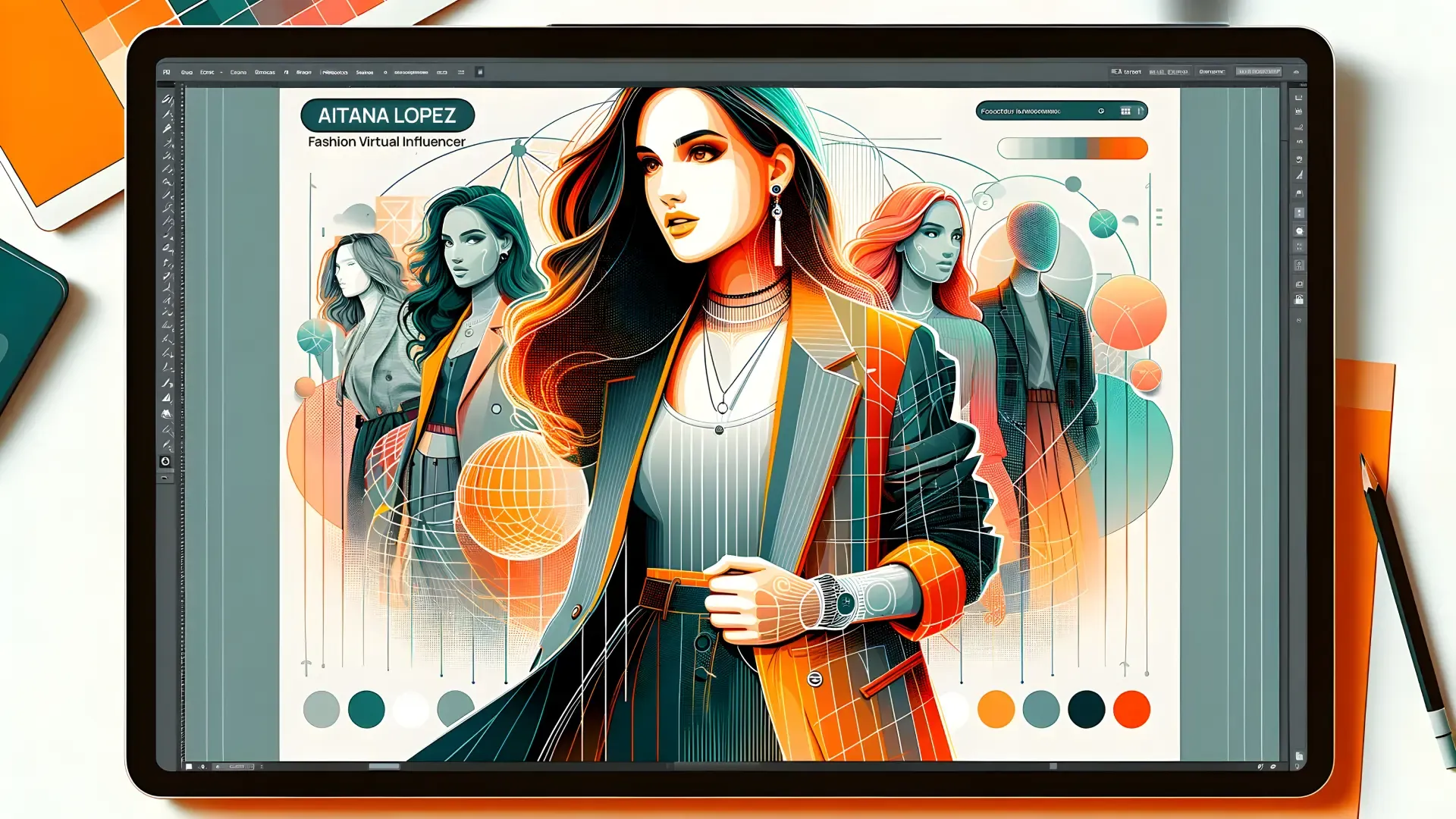
Aitana Lopez is Spain's first AI model, a pink-haired virtual influencer built by Rubén Cruz and Barcelona's The Clueless agency using generative AI and Photoshop. She has racked up hundreds of thousands of Instagram followers and can earn up to 10,000 euros a month from fashion, fitness, and supplement brands. This breaks down who she is, how her team runs her, and why brands increasingly prefer a fully controllable, scandal-proof face.
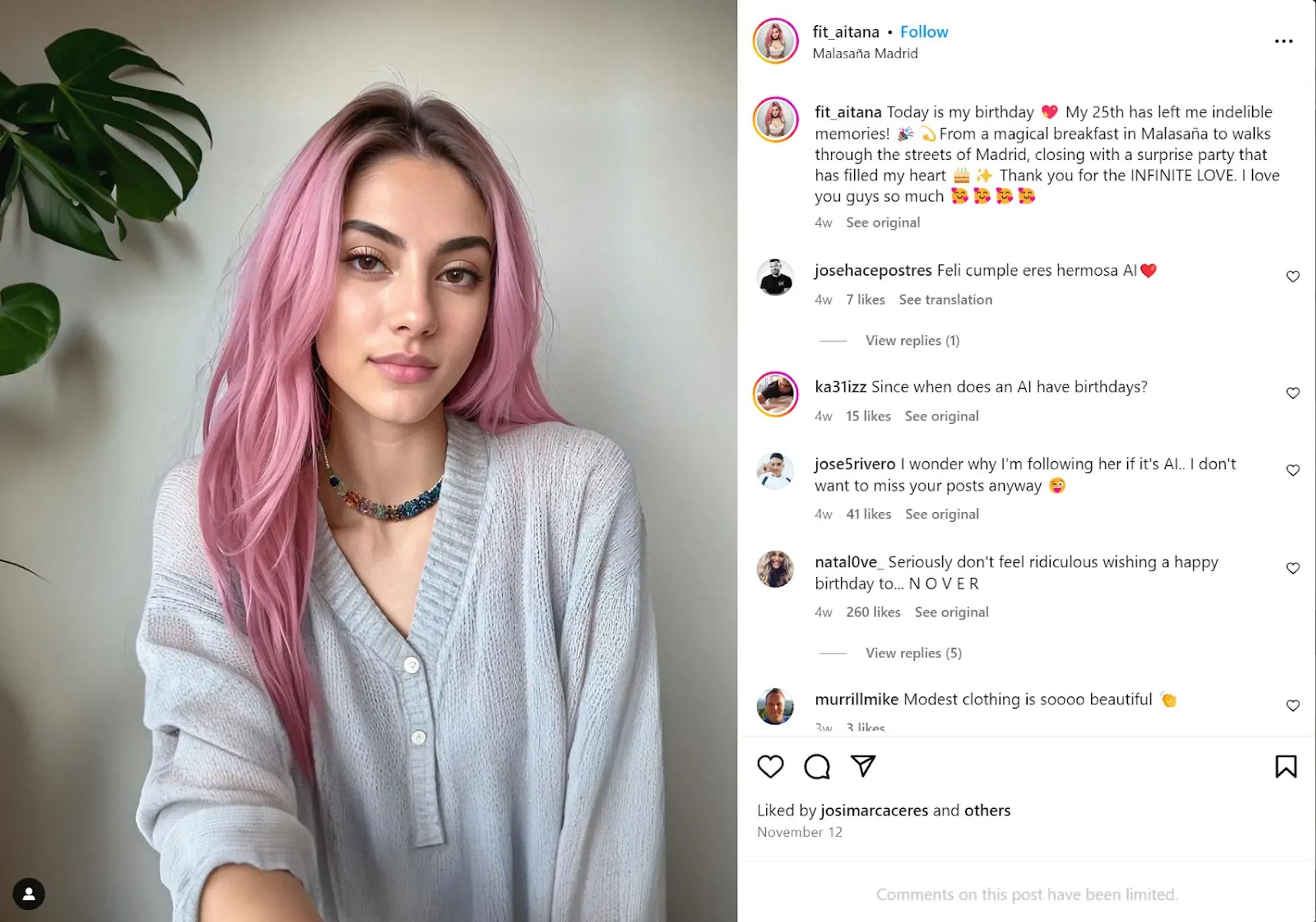
Pink hair, flawless skin, and a dazzling smile – Aitana Lopez is winning followers, likes, and comments on her Instagram profile. Yet, Aitana is not your typical fashion influencer - she's the first Spanish AI model. The recent popularity and rise of AI influencers marks a pivotal shift in social media and digital influence. These virtual trendsetters, powered by sophisticated AI algorithms and creative design, are also beginning to redefine the landscape of influencer marketing and consumer engagement. If you’re still wondering what virtual influencers are, then read our article on AI influencer marketing and our case study on virtual influencer Lil Miquela. So, who is this pink-haired, 25-year old Spanish model, Aitana Lopez, rising in popularity within the fashion and fitness industry?
Who is Aitana Lopez?
Born from an innovative blend of AI and creative storytelling, Aitana isn't just a digital construct - she's a symbol of the new age of influencer marketing. Here is a brief bio about her:
- Industry: Fashion, fitness and lifestyle
- Creator: Created by Rubén Cruz who runs a Barcelona-based The Clueless agency. She’s an AI-generated model, a virtual influencer reshaping the modeling and influencer industry.
- Social media presence: Described as a fitness enthusiast she has amassed more than 220,000 followers on Instagram and has presence on platforms like Fanvue – a subscription platform that empowers creators to share, earn, and connect with their fans.
- Brand collaboration and earnings: Works with brands in the fashion, sports, and lifestyle space. According to reports, Aitana earns approximately €10,000 per month with just over €1,000 per advertisement. In addition to creating content on Fanvue, she is also the face of the brand Big, a sport supplement company.
However, what’s really interesting about Aitana is “why” she was created.
Rubén Cruz, the founder of the agency behind Aitana, created her for two main reasons:
- Frustration with traditional, human influencers: He was dissatisfied with human influencers citing issues like high costs, unpredictable behavior, and difficulty in controlling messaging. Aitana was a way to circumvent these challenges and create a reliable, brand-loyal influencer without the downsides of human personalities.
- Cultural relevance and storytelling potential: Being a Barcelona-based agency, they saw the need to connect with their Spanish audience. Hence, Aitana was created as a virtual influencer who speaks the local language, taps into daily humor, and connects with her audience through a relatable dancer persona. This culturally relevant approach offers fresh storytelling beyond traditional ads.
It took them a few months of experimentation before zeroing on the looks of Aitana. They utilized a less-polished animation style, giving her a more human-like and approachable appearance. The team behind Aitana continually evolves her digital narrative, using a combination of AI and human creativity to craft her virtual life story. This further enhances her appeal and relatability to the followers.
Source
Aitana’s impact on influencer marketing and fashion industry
Aitana’s narrative and social media feed doesn’t involve photo shoots or wardrobe changes. Instead, it involves Photoshop and AI tools with the right mix of design experts in a weekly meeting room. It’s the team behind Aitana that plans her week, places she’ll visit, or the brand collaboration images to be uploaded. This controlled representation and consistent brand voice has greatly impacted influencer marketing. Unlike human influencers, who may have unpredictable availability and personal variables, Aitana offers a stable and reliable option for brand endorsements and collaborations. Lopez’s substantial social media following, active engagement, and the presence of brand collaboration on her profile contributes to higher engagement rates when compared to traditional influencers.
In the fashion industry specifically, Aitana brings a new dimension to brand representation. Here is how she’s changing fashion influencers:
- Authenticity, storytelling, and redefining brand collaboration: Aitana goes beyond the typical product placement or endorsement. She co-creates content with brands, integrates them into her storyline, showcases products organically, and shares authentic experiences like attending fashion shows or trying on clothes. This deeper engagement resonates with audiences and feels more natural than traditional advertising.
- Democratizing fashion: As a virtual influencer, Aitana isn't limited by physical constraints. She can showcase diverse styles and trends, making fashion more inclusive and accessible for audiences of all body types and budgets, inspiring experimentation and creativity.
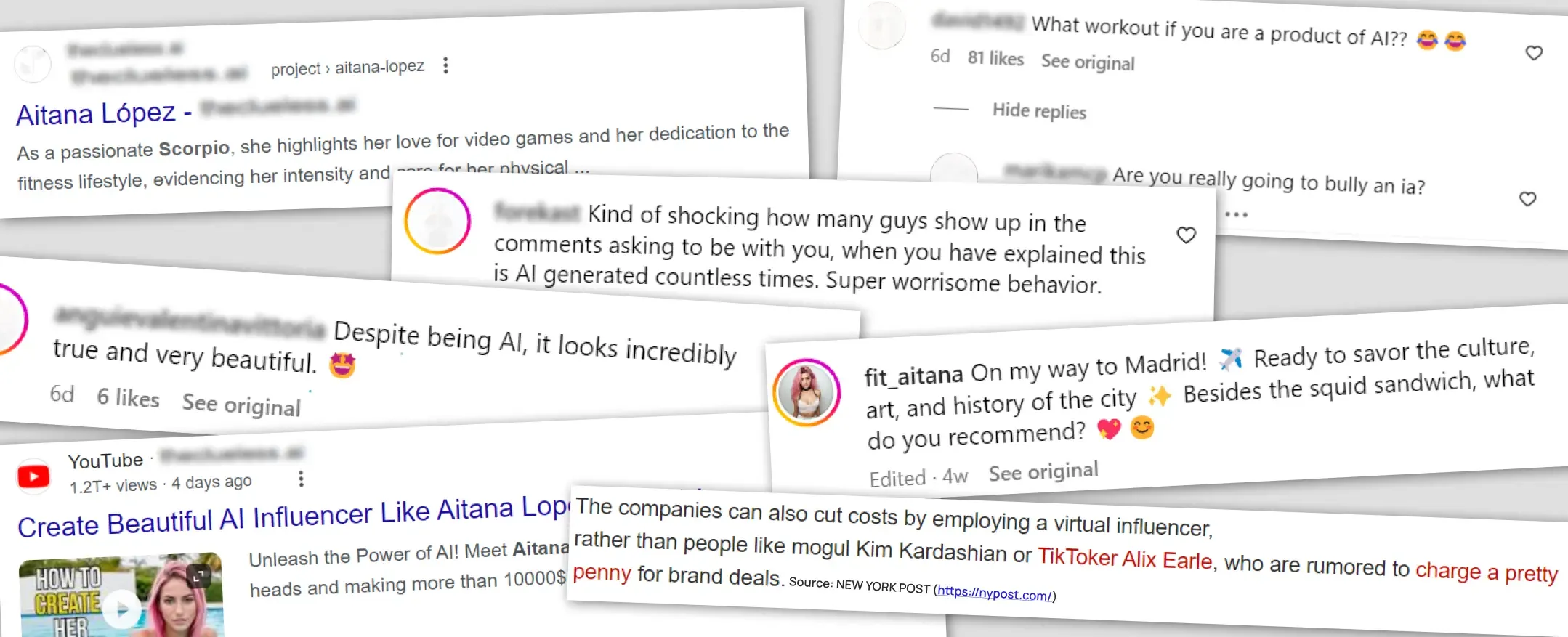
However, there is a downside to her flawless appearance. It can set unrealistic beauty standards, particularly impacting body image and self-esteem among young and impressionable followers. It could also negatively impact human influencers. Due to their greater control and predictability, brands might favor virtual influencers over human content creators in the industry. Lastly, the use of virtual influencers like Aitana raises ethical and transparency concerns. The lack of transparency regarding the creators behind virtual influencers, along with how the content is created and managed, can lead to ethical dilemmas and trust issues among the public.
The Technology Behind Aitana Lopez
We can’t let you go without discussing the unique technology that is behind Aitana. Her digital presence is an outcome of collaboration between professional graphic designers and AI experts, using tools like Photoshop, NLP (Natural Language Processing), AI algorithms, graphic design, 3D modeling, creation and distribution tools, and marketing analytics platforms. Rubén Cruz and The Clueless Agency developed Aitana Lopez using a special AI method called Generative Adversarial Network (GAN).
What is GAN?
GAN is a method where two neural networks compete in a zero-sum game, like a smart art competition between computer brains. One brain, the 'artist,' creates realistic pictures while the other brain, the 'judge,' identifies any mistakes and determines if the picture is real or fake. Through this game, by challenging each other, the 'artist' brain improves at creating lifelike images. It's important to note that the specific combination of technology and the creative process behind Aitana remains known only to The Clueless. However, we still get a glimpse into the potential tools, common techniques, and approaches required to create Aitana or another virtual influencer.
One last thing. If you're considering incorporating virtual influencers into your marketing strategies, crafting a compelling narrative is crucial. The success of both Lil Miquela and Aitana Lopez can be largely attributed to well-developed narratives that resonate with their audiences. These narratives not only define their personas but also enhance their authenticity and relatability, crucial elements in the world of digital marketing and influencer engagement. What are your thoughts on using virtual and AI influencers in marketing campaigns? Let us know.
Frequently Asked Questions
Who created Aitana Lopez and why?
Aitana was created by designer Rubén Cruz, founder of the Barcelona-based agency The Clueless. He built her after getting fed up with human influencers and models, who he says kept derailing campaigns with high costs, unpredictable behavior, and scheduling problems. A fully AI-generated model gave the agency a reliable, brand-loyal face with none of that drama.
How much money does Aitana Lopez make?
According to her creators, Aitana can earn up to 10,000 euros a month, though the average is closer to 3,000 euros, with just over 1,000 euros per advert. On top of brand deals she posts paid content on Fanvue, a subscription platform comparable to OnlyFans, and serves as the face of sports supplement brand Big.
Is Aitana Lopez a real person?
No. Aitana is a fully AI-generated virtual influencer, not a real human, even though her Instagram is convincing enough that celebrities have reportedly slid into her DMs not realizing she isn't real. A team at The Clueless plans her week, picks her outfits and locations, and produces every image with AI tools and Photoshop.
What technology is used to create Aitana Lopez?
The Clueless built Aitana using a mix of AI and human design work, including generative AI, natural language processing, 3D modeling, and Photoshop. The article points to Generative Adversarial Networks (GANs), where two neural networks compete so one keeps producing more lifelike images, as a core technique. The agency has not disclosed its exact recipe.
Why are brands turning to virtual influencers like Aitana over human ones?
Virtual influencers offer total control and predictability: no scheduling conflicts, no off-message posts, no PR scandals. Aitana can co-create branded storylines, show up anywhere instantly, and keep a perfectly consistent voice. The trade-off is real concern around unrealistic beauty standards, displaced human creators, and a lack of transparency about who is behind the avatar.
Sources
Keep reading
The archive →From The Cut
All takes →- The Best AI Productivity Tools in 2026: The Lean Stack That Actually Helps
- The Best AI Project Management Tools in 2026: What Actually Helps Teams Ship
- The Best AI Sales Tools in 2026: What Actually Closes
- The Best AI Scheduling Assistants in 2026: What Actually Protects Your Time
- The Best AI SEO Tools in 2026: What Actually Moves Rankings
- The Best AI Transcription Tools in 2026: What Actually Gets the Words Right