Learn AI Prompting: An Essential Skill for Content Creators in the AI Age

TL;DR
Writer's block, deadlines, impostor syndrome: AI can clear the blank doc, but only if you know how to ask. This guide treats prompting as the core creator skill and walks through four use cases with copy-paste prompts: blog drafts and social captions, video scriptwriting, creative writing and storytelling, and repurposing one piece into many. It closes with non-negotiables, fact-check, edit, keep your brand voice, watch translations, because AI is a partner, not an author.
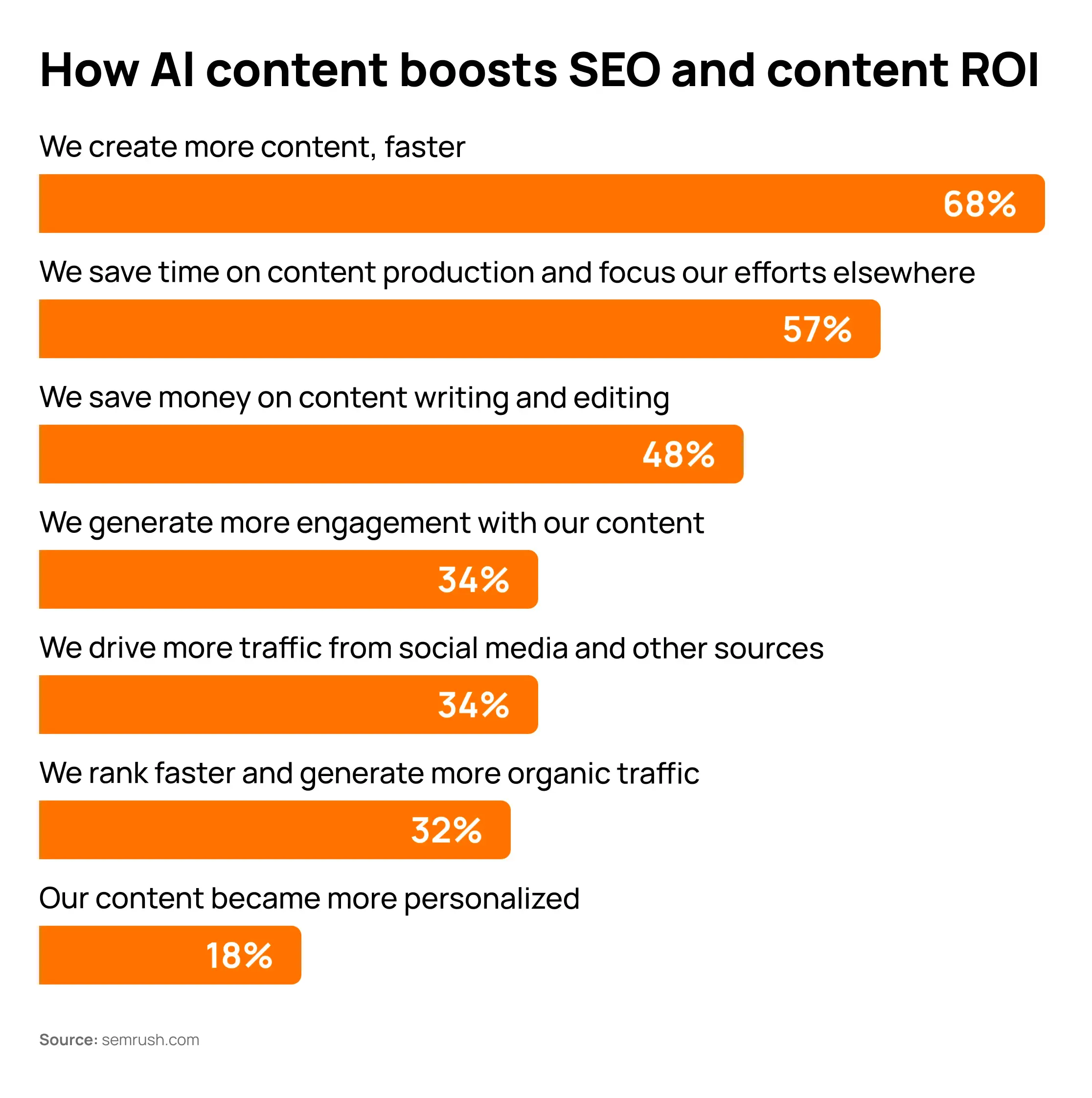
In this era of content, having writer’s block is probably the worst battle a content creator can face. Maybe due to anxiety, maybe impostor syndrome, or maybe you just don’t have enough time. AI tools could be the solution to get you to stop staring at the blank doc on your screen. But, how can AI help with content creation? In a 2024 AI Report, 68% of businesses that used AI tools in their content marketing efforts reported an increased ROI - measured in 68% faster content creation and 48% savings on content creation. However, the same report also mentions that 37% of the respondents do not understand how to use AI tools the right way. The first rule of leveraging AI tools is knowing how to instruct them, i.e., learning how to prompt AI correctly. The right prompts can assist you with generating ideas, creating blog outlines, drafting and editing paragraphs, and even suggesting visuals to be added to your social media or blog posts.
Let’s have a look at some of the use cases where AI can help you, the content creators.
1. Creating Blog Drafts and Social Media Captions
Using a language model to draft a blog or social media captions can transform your content creation process. It offers you insights and deep research that can enrich the text and streamline the entire writing process – such as structuring your article, optimizing for SEO, recommending hashtags for better reach, and even suggesting edits to improve clarity and reader engagement. Try these prompts:
- Article outline: Create a detailed outline for an 800-word article titled [blog/article title].
- SEO optimization: Generate a list of SEO-friendly subheadings for a blog post about [blog topic].
- Social media content: Create a list of ideas for the next 2 days of Instagram posts based on the trending topics on [add a topic].
2. Scriptwriting for Video Content
With the right prompt and details, AI can add depth and insights to your video script allowing you to churn out scripts within minutes. Language models can help you structure your storyline, craft natural dialogues, generate scene variations, review dialogue & scene settings, and even suggest content that can drive user engagement. Prompts that you can try next time:
- Convert case study into a video: Generate an outline to convert this case study into a 2-minute video for social media: [Add the case study or share the URL].
- Script feedback for coherence: Review this script excerpt for a comedy sketch and suggest improvements for narrative flow and punchline effectiveness. [Add/upload the script].
- Creative solutions for script challenges: Offer creative solutions for a plot hole in a drama series script where the main character's decision seems out of character. [Add details of the scene].
3. Creative Writing and Storytelling
Language models can inspire content creators and writers to build unique plots, develop characters, write lyrics, and even script dialogues in a specific style. For instance, if a writer is going through writer’s block, AI can transform even vague ideas into captivating story prompts, bridging the gap between stalled creativity and narrative innovation. This blend of human imagination and AI's analytical capabilities can enrich storytelling, while unlocking new dimensions in narrative depth and character complexity. You can achieve all this and much more, by learning to prompt AI effectively. Try these prompts:
- Develop a character: Below are the personality traits of the supporting character in a short story I am working on. Based on these traits, develop a character sketch and a few dialogue scripts: [Add personality traits detail].
- Creative poem: Write a reflective poem about the journey of life, touching on themes of growth, change, and the passage of time. Infuse the poem with an introspective yet hopeful tone.
- Sports lyrics: Generate inspiring lyrics for a sports event anthem, focusing on themes of perseverance, teamwork, and the thrill of competition. The lyrics should have an energetic and motivating rhythm.
4. Content Repurposing
In a prompt or two, you can convert a detailed blog post into a concise video script or a series of social media posts. Something that could have easily taken a day to complete. The language models can ensure your core message is communicated effectively to different audience segments. Moreover, by learning to prompt it effectively, AI tools can convert data reports into infographics or webinars, catering to the visual and interactive content preferences of a user. Efficient prompts can also automate content adaptation, saving you time and effort, all the while maintaining a consistent tone and quality across all formats. Try these prompts:
- Blog post to social media content: Transform the key points from the attached blog post into a series of engaging tweets, each highlighting a different aspect and including relevant hashtags. [Attach or upload the blog].
- Report to infographic: Create an outline for an infographic based on the data and conclusions found in the following research report, emphasizing the most impactful statistics. [Upload the infographic].
- Podcast episode from the interview: Draft a podcast episode outline based on the key themes and quotes from the attached interview transcript, including potential questions for further discussion. [Attach the interview transcript].
Best practices to follow for AI-generated content
As content creators using generative AI, here are some best practices to follow for AI-generated content:
- AI-human collaboration: Always balance the AI-generated content with human edits and proofreading.
- Fact-check the information: Although language models are evolving and upgrading their knowledge, it can still generate biased, misleading, and incorrect information. Hence, always verify the factual accuracy of the information before publishing the content.
- Edit, edit, and proofread: It can’t be stressed enough the need for editing and proofreading your content. This is not only important from an SEO point of view, but from user experience as well. AI can generate content, but it can still sometimes construct awkward sentence formation, which can impact the overall readability of your content. Moreover, you need to make edits to maintain your brand’s voice, tone, and style.
- Double-check for non-English content and translation: If you’re working on non-English content, be careful with grammar structure and localization, especially the use of idioms and phrases. Language models can sometimes take idioms and expressions at face value, losing out on some contextual or cultural understanding.
The journey of a content creator looking to adopt AI into their daily workflow is marked by continuous learning and iterating. It is not a one-off task. It requires staying updated with the changing technologies and understanding the nuances of effective prompting. Overall, embracing AI's potential means unlocking new creative perspectives and efficiency. By learning the art of AI prompting, content creators can level up their creative freedom and make language models an invaluable partner in the content creation process. Have you used language models or any AI tool in your content creation process? Let us know your experience.
Frequently Asked Questions
Why does prompting matter so much for content creators?
Because the quality of what AI gives back depends entirely on how you ask. Vague requests produce generic filler, while specific prompts with a title, word count, tone, and audience produce usable drafts, outlines, and edits. Prompting is the skill that turns a language model from a novelty into an actual part of your workflow.
What can AI actually help content creators do?
The article covers four jobs: drafting blog posts and social captions, writing and tightening video scripts, creative work like characters, poems, and lyrics, and repurposing one asset into many formats. Each section ships ready-to-use prompts. The throughline is speed on the grunt work so you spend your energy on the ideas.
Does using AI for content actually pay off?
The numbers say yes for most teams. Semrush's 2024 small-business report found 68% of businesses saw higher content marketing ROI thanks to AI. The catch is knowing how to use it: the same research found 37% of companies that don't use AI simply don't understand how it works.
Can I just publish what the AI writes?
No, and the article is blunt about it. Language models still produce biased, awkward, or flat-out wrong content, so every draft needs fact-checking, editing, and a pass to restore your brand voice. AI-human collaboration is the rule, not a nice-to-have.
How should I handle AI content in other languages?
Carefully. Models often take idioms and expressions at face value and miss the cultural or contextual meaning behind them. If you work in non-English content, double-check grammar, localization, and any phrase that relies on nuance before it goes live.
Sources
Keep reading
The archive →11 AI Tools Content Creators Actually Use
A practical rundown of the 11 AI tools content creators actually use day to day, from scripting to video and image generation.
AI TOOLSInVideo AI Review (2026): Is It Actually Worth It?
Hands-on 2026 review of InVideo AI covering features, pricing, and real performance. Learn how its text-to-video generation, AI voiceovers, voice cloning, and Sora 2 and VEO integration perform in practice.
AI TOOLSAI vs. Automation
Artificial Intelligence (AI) and Automation are transformative technologies often used interchangeably but serve distinct purposes. Automation excels at executing repetitive, rule-based tasks efficiently.
From The Cut
All takes →- The Best AI Website Builders in 2026: What Actually Ships a Site
- The Best MCP Servers in 2026: What's Actually Worth Connecting
- The Best Open-Source AI Agents in 2026: What's Worth Running
- The Best Tools to Run LLMs Locally in 2026
- The Best Vector Databases in 2026: An Operator's Ranking
- The Honest AI Tool Stack for Startups in 2026